About SAGE
Learning geophysics by doing geophysics.
Our Mission
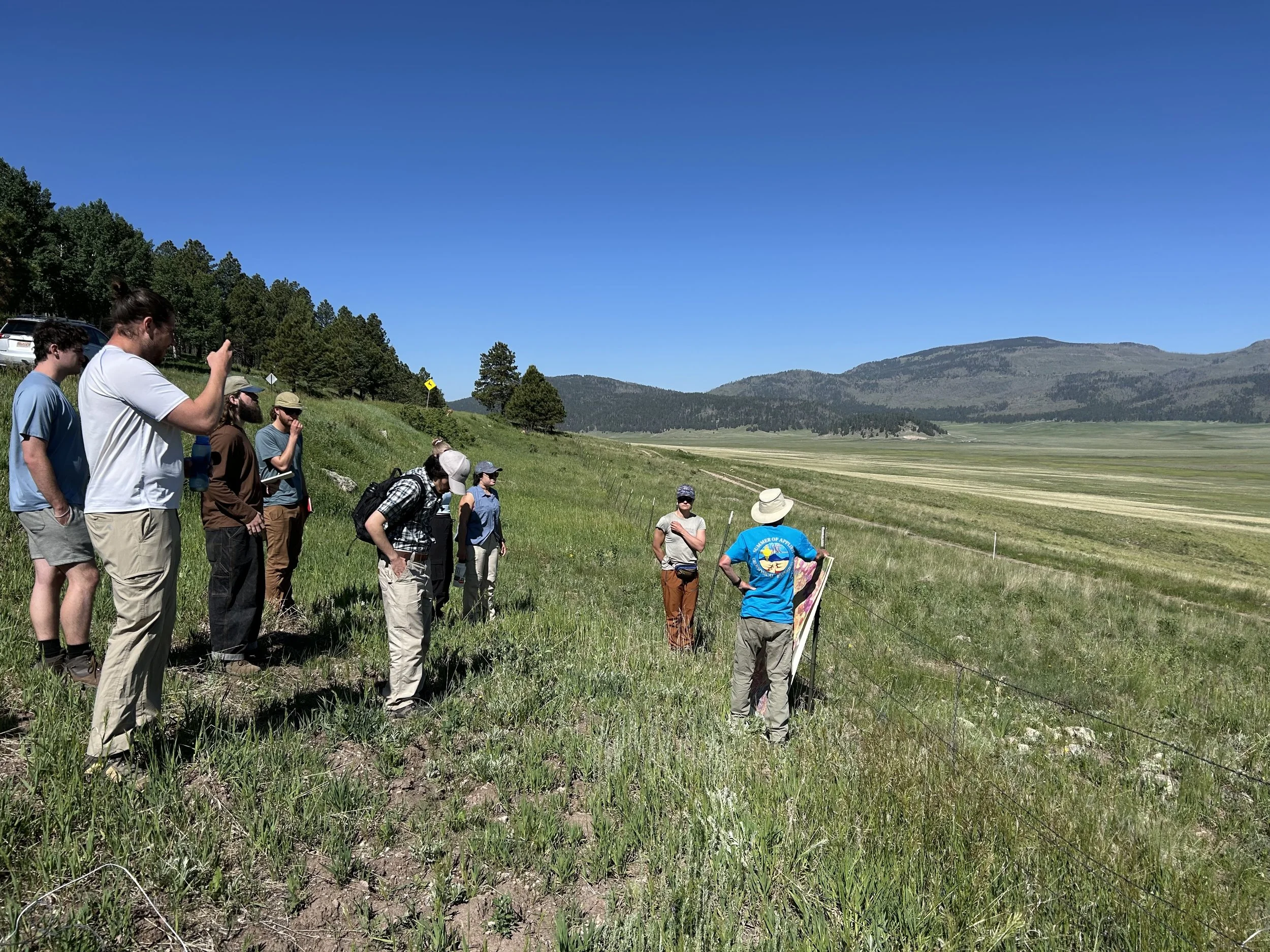
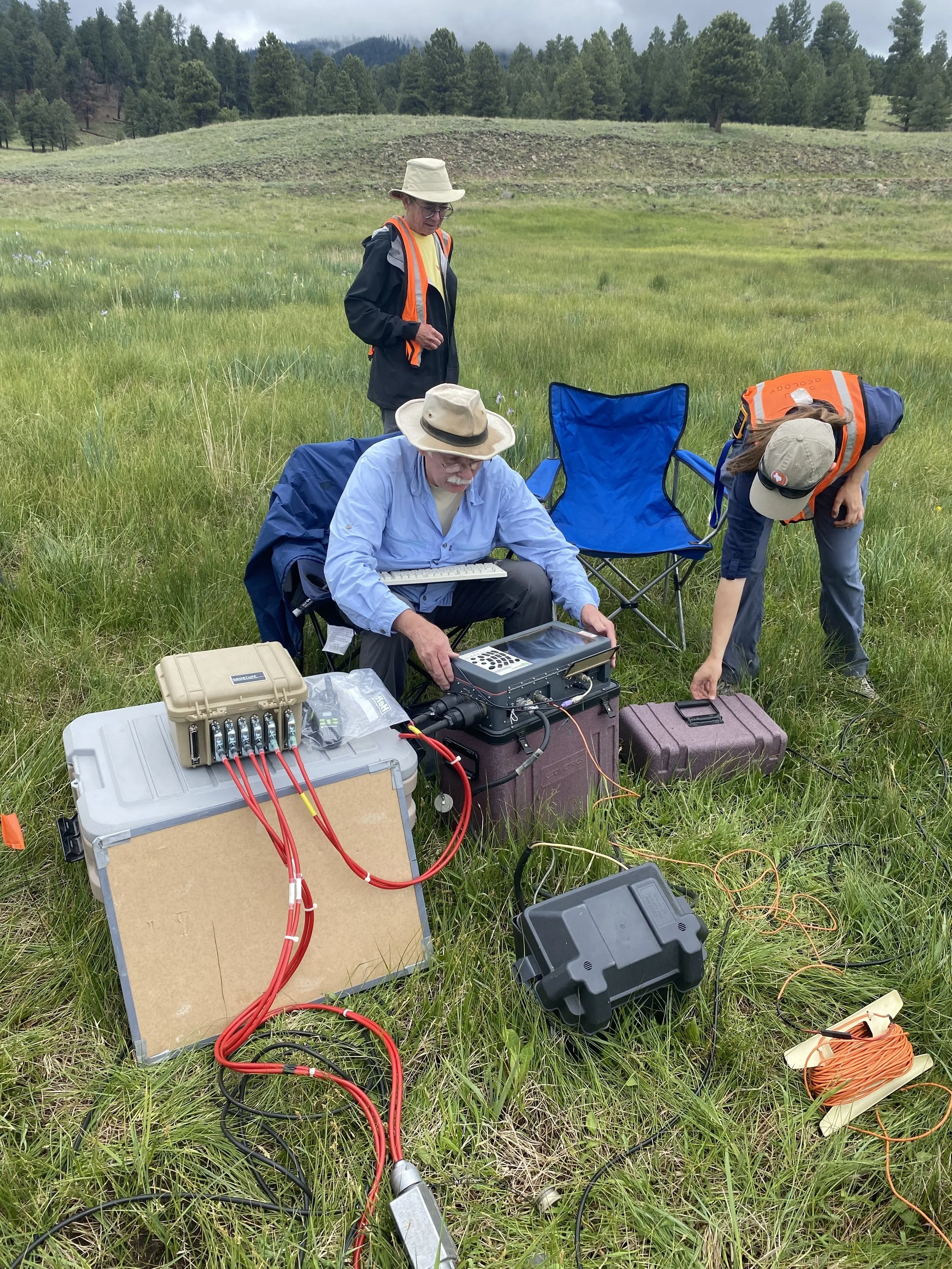
Our mission is to actively educate students in all phases of geophysics using modern field equipment and the latest computer processing and interpretation tools.
SAGE emphasizes the understanding of field methods—from fundamental principles through acquisition, processing, and interpretation—all within the context of basic and applied research problems.
What We’ve Achieved
1000+ SAGE alumni
40+ years of experience; founded in 1983
Multiple peer-reviewed papers and conference presentations (see publications)
SAGE Geophysical
Methods
SAGE teaches subsurface problem-solving.
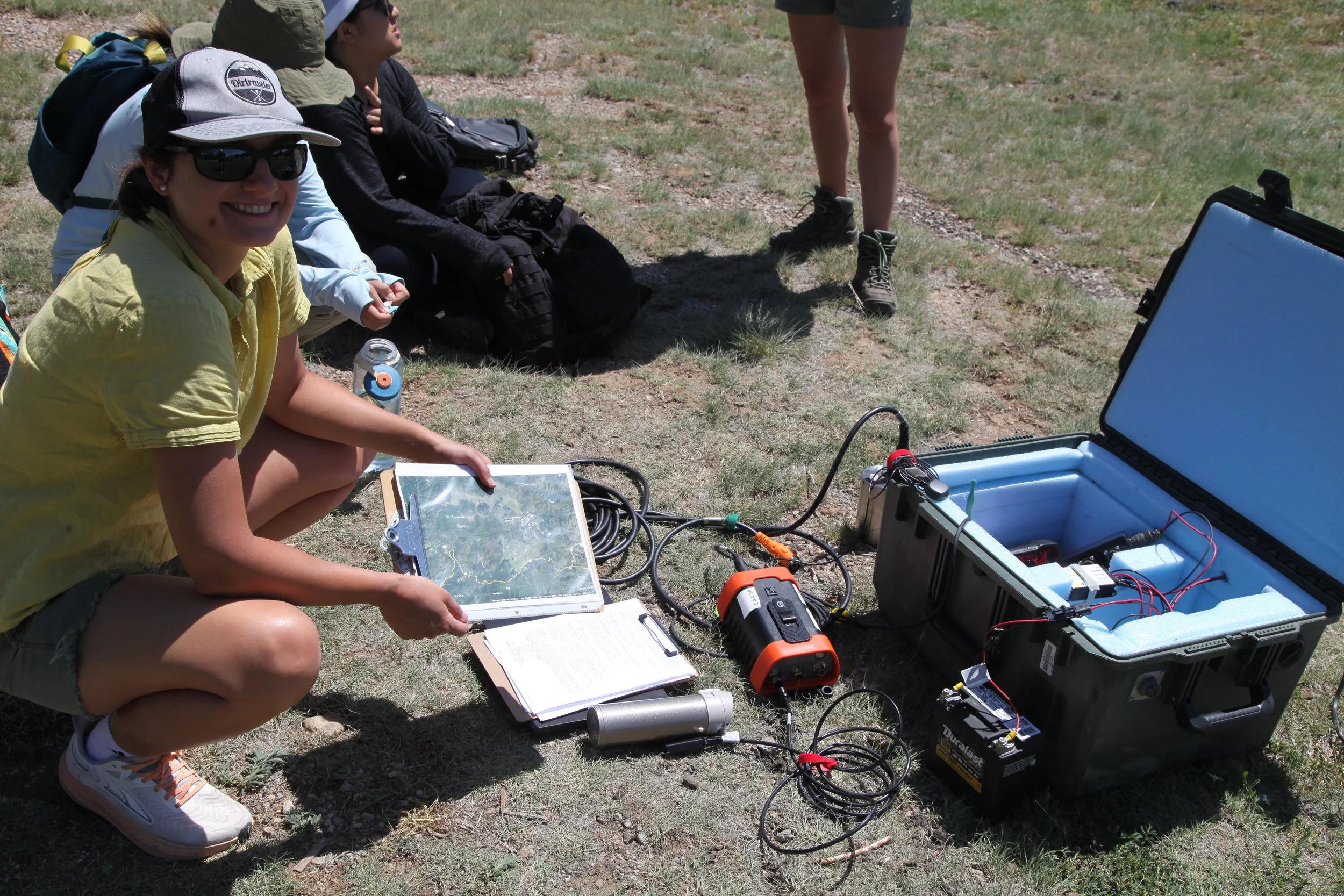
SAGE training methods focus on how to think through a problem and consider the appropriate tools to inform your analysis. Participants employ investigative subsurface methods and learn integrated interpretation of geophysical data. Geophysical methods at SAGE include:
-
Electrical
Electrical Resistivity Tomography (ERT)
Direct Current (DC)
-
Electromagnetics
Magnetotellurics (MT)
Transient Electromagnetics (TEM)
Ground Penetrating Radar (GPR)
-
Potential Fields
Gravity
Magnetics
Heat Flow
-
Active and Passive Seismic
Reflection
Refraction
Passive
Common SAGE Career Pathways
Academia
Pursue advanced degrees (MS/PhD) to deepen expertise and conduct original geophysics research.
Environmental
Apply geophysical methods to assess and remediate environmental issues such as groundwater contamination or waste disposal.
Research/Government
Work in national labs or agencies conducting geoscience research, hazard monitoring, and public policy support.
Natural Resources and Energy
Apply geophysical methods to map subsurface heat, fluids, and structures to explore groundwater and geothermal resources and locate, evaluate, and manage petroleum and natural gas reservoirs.
Infrastructure
Design and oversee projects that integrate geophysical data with engineering solutions for tunnels, dams, and other crucial infrastructure.
Mining
Apply geophysics to sustainable mineral exploration and mining, including ore body mapping, and monitoring of mine safety and stability for critical minerals used in our daily lives.
SAGE Faculty Co-Directors
-
John Ferguson
University of Texas at Dallas
Seismology, Potential Fields -
Darcy McPhee
U.S. Geological Survey, Retired
Potential Fields
SAGE Faculty
-
Shari Kelley
New Mexico Bureau of Geology and Mineral Resources
Heat flow, Geology -
Paul Bedrosian
U.S. Geological Survey
Electromagnetics -

Megan L. Anderson
Washington Geological Survey
Potential Fields -
Akram Mostafanejad
IRIS PASSCAL
Earthquake Seismology -

Jared Peacock
U.S. Geological Survey
Electromagnetics -

Tait Earney
U.S. Geological Survey
Gravity -
Oliver Azevedo
Georgia Tech
SAGE manager, Electromagnetics -
Eva Smith
University of Wyoming
Electric and Electromagnetic -

Nadine Igonin
University of Texas at Dallas
Controlled-Source Seismology -
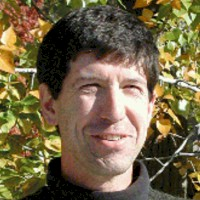
Lee Liberty
Boise State University
Controlled-Source Seismology -
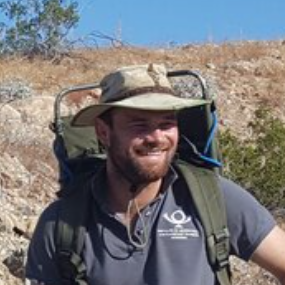
Pieter-Ewald Share
Oregon State University
Earthquake Seismology
SAGE Board of Directors
-
John Ferguson, President
University of Texas at Dallas
-
Shari Kelley, Vice President
New Mexico Bureau of Geology and Mineral Resources
-
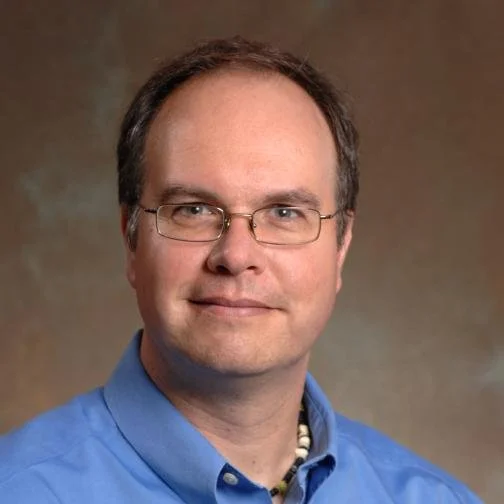
Alex Martinez, Treasurer/ Secretary
Senior Principal Geophysicist, Retired
ExxonMobil -
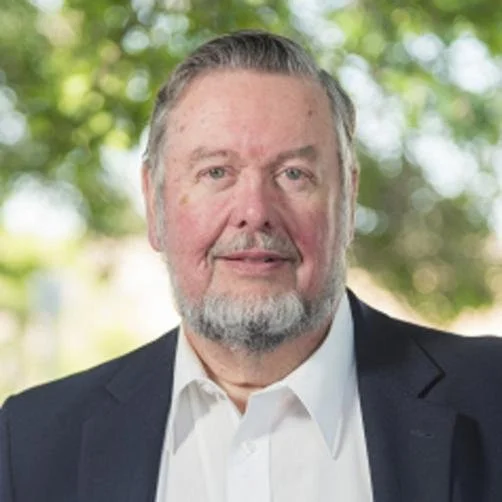
Peter Annan
CEO
Sensors and Software -
Danny Feucht
Ormat Technologies Inc.
SAGE Emeritus Faculty
-
David Lumley
University of Texas at Dallas
Active Seismic -

Lawrence Braile
Purdue University, Emeritus
Seismology -

George Jiracek
San Diego State University, Emeritus
Electromagnetics -

Scott Baldridge
Los Alamos National Laboratory, Retired
Geology -

Louise Pellerin
Green Geophysics, Inc., deceased
Electromagnetics -

Shawn Biehler
University of California Riverside, deceased
Seismology, Potential Fields -
Bernard (Bernie) Gilpin
Golden West College, deceased
SAGE Faculty Member, 1983-2009
SAGE Sponsors